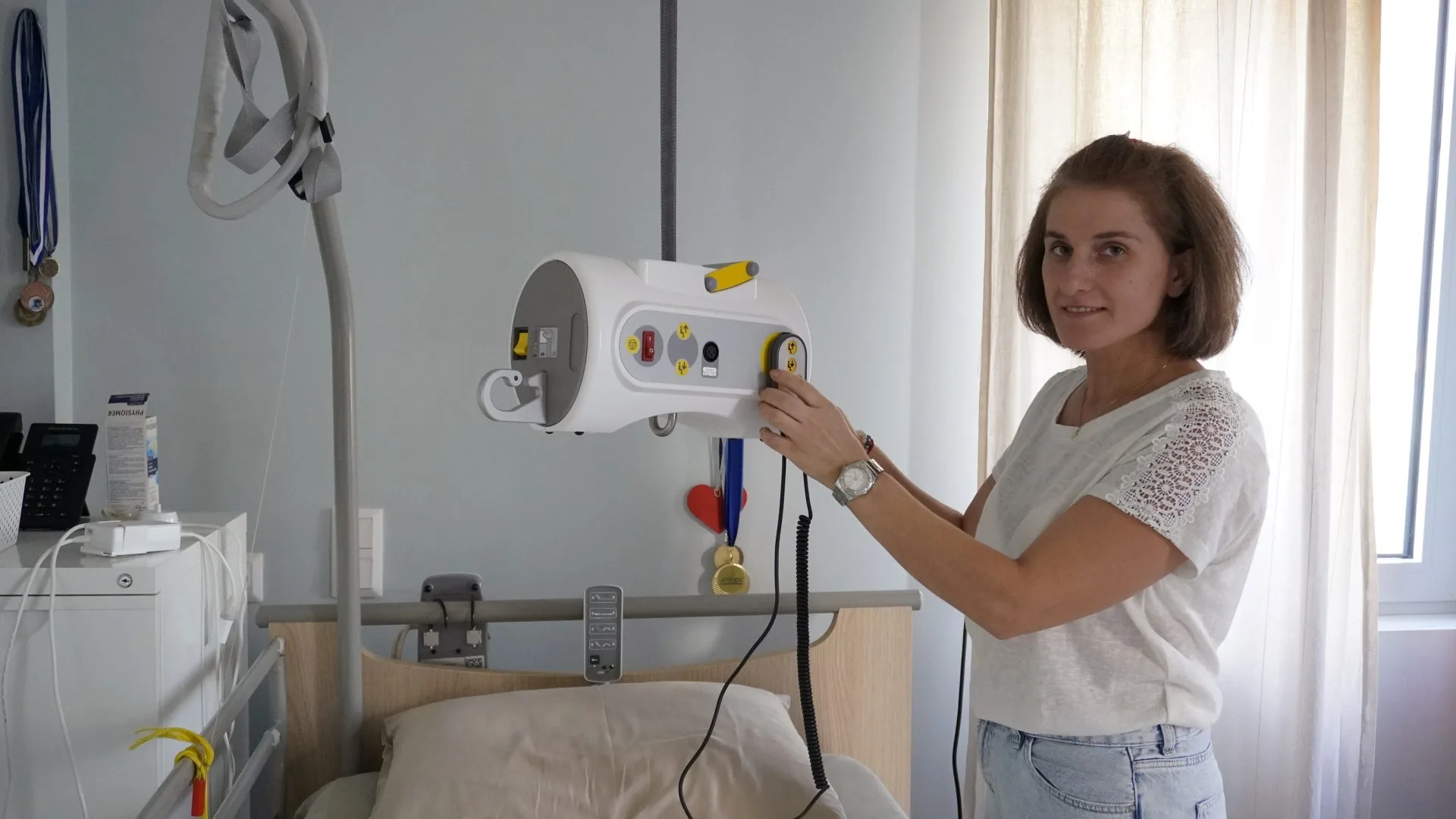
For Mzia, caring for others has been an integral part of her life for many years. Originally from Georgia, she has lived in Greece for around two decades. For much of that time, she worked as a live-in carer for older people in private homes, providing daily support to those who needed it. Yet, as is often the case in domestic care, her work did not always come with the employment protections she was entitled to. Long hours and a lack of guaranteed days off were part of her working life.
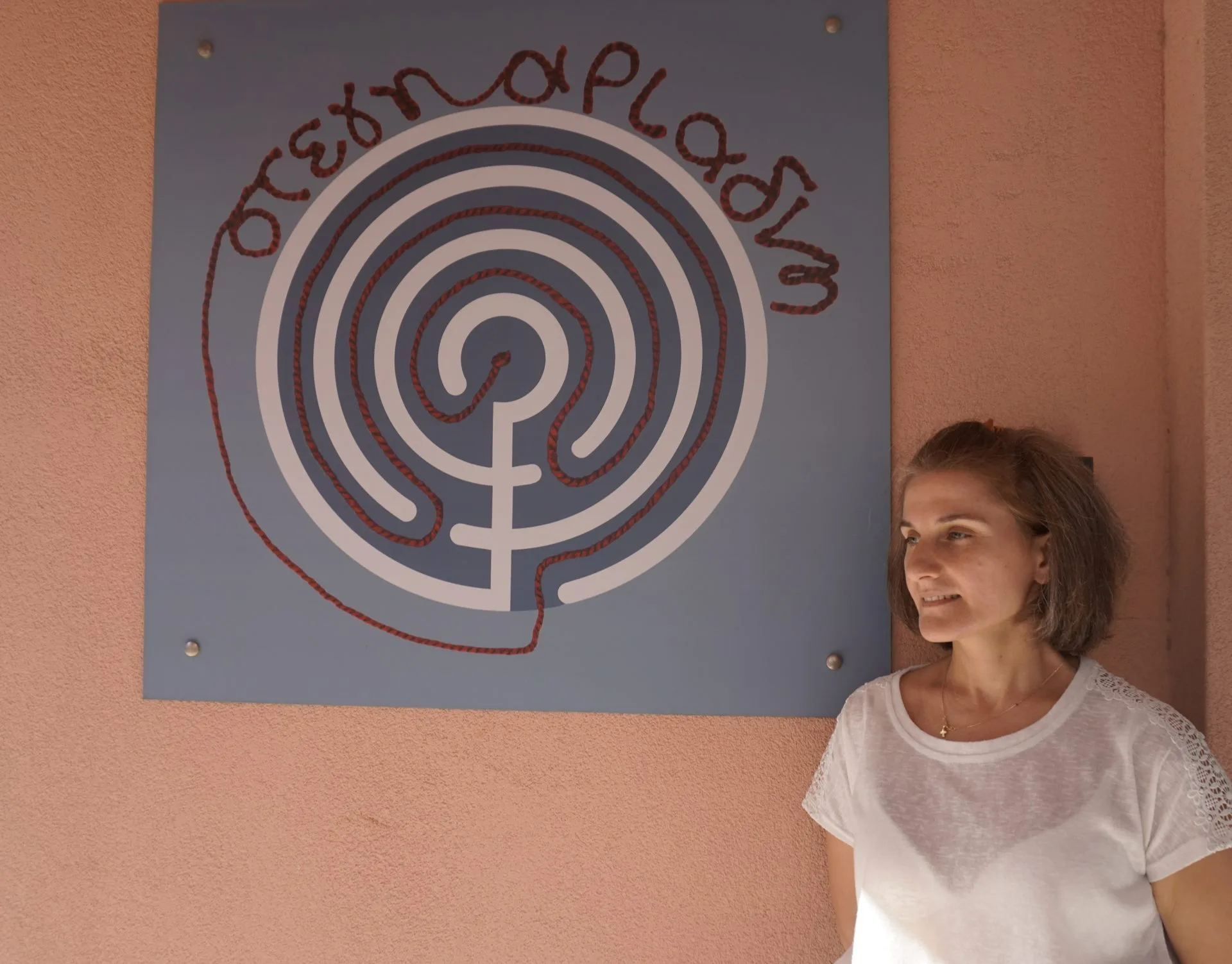
Mzia first heard about METAdrasi through her daughter, who attends the organisation’s Greek language classes. Through Stepping Stone, METAdrasi’s employment integration programme, she received support in her job search and was connected with Cerebral Palsy Greece – Open Door. For the past few months, she has been working at Ariadne, a supported living residence for adults with cerebral palsy.
This role offers something that was missing from much of her previous working life: formal employment, stability and security. She is also part of a supportive workplace where teamwork, solidarity among colleagues and mutual respect shape everyday life. Alongside employment rights and security, she has found a sense of belonging to a team that recognises and values her contribution.
“If we don’t have papers and work undeclared, we have no rights,” says Mzia, describing in a few words a reality experienced by many refugee and migrant women working in domestic care.
Refugee and migrant women play a vital, yet often invisible, role in Greek society. With dedication and empathy, they care for children, older people and people with disabilities, often filling gaps in available care services. Their contribution matters to families and society alike. Despite the importance of their work, however, many face insecure working conditions.
Mzia speaks warmly of the families she has worked with, with whom she remains in touch. “The people I worked for liked me too. I’m still in touch with all those families. That makes me happy, because it means I did something good for people and cared for them.”
Her story raises an important question: shouldn’t women who devote so much of their lives to caring for others also enjoy the security, recognition and protection that formal employment provides?
Access to formal employment involves more than finding a vacancy. It often means overcoming administrative barriers, recognising candidates’ skills and creating meaningful connections between workers and employers.
This is where METAdrasi’s Stepping Stone programme comes in. Through individual employment counselling, connections with employers and support with administrative procedures, the programme helps refugees and migrants turn their experience and skills into real employment opportunities.
For Mzia, this support went beyond the introduction to Open Door. METAdrasi also helped her gather the documents required for her recruitment, including a criminal record certificate and the necessary physical and mental health certificates.
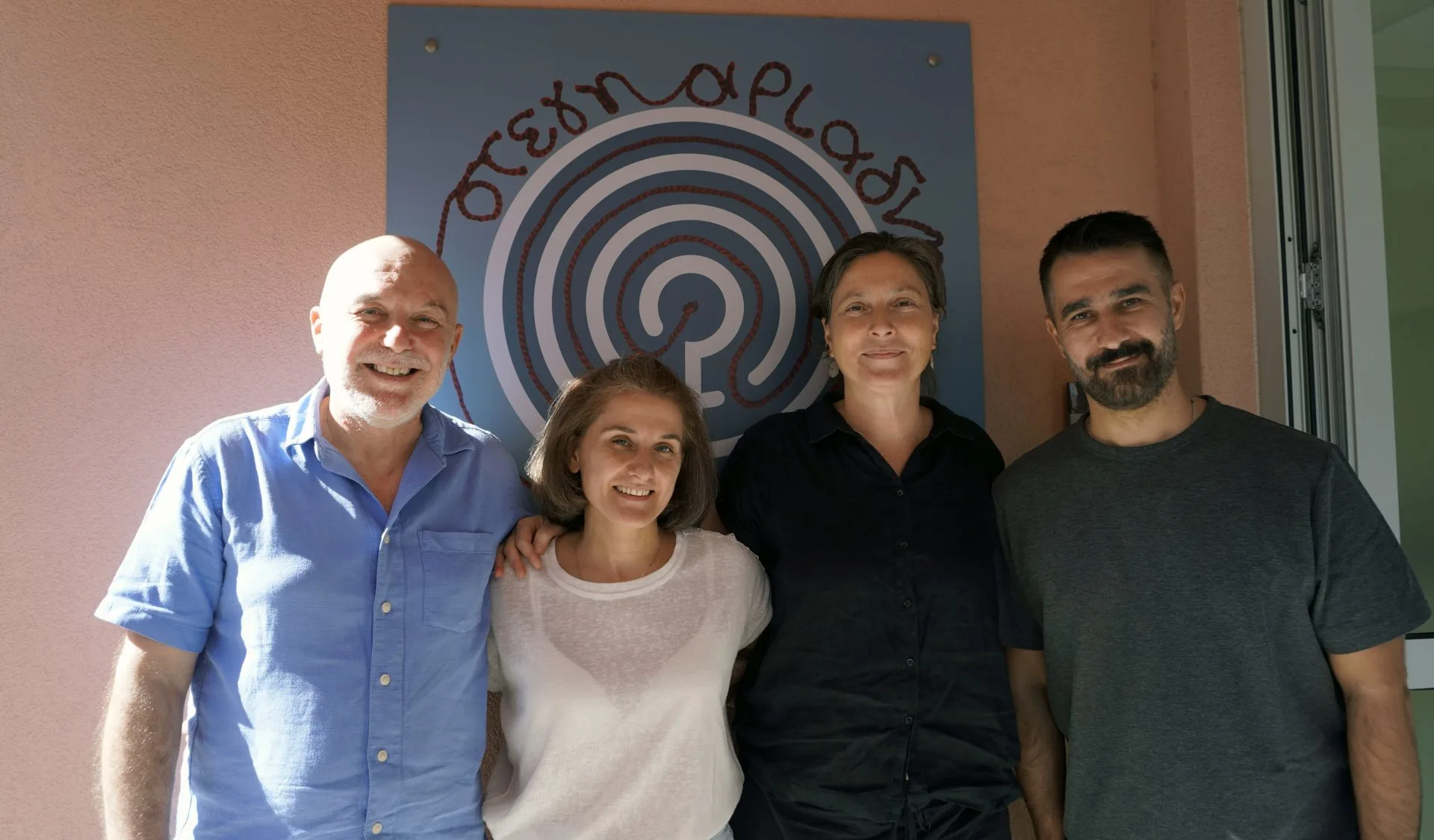
For Open Door, the partnership with METAdrasi is particularly valuable. As the facility’s director, Dimitris Pappas, and deputy director, Vasilis Lyritsis, explain, finding suitable staff to support people with disabilities is a significant challenge. Refugees and migrants often bring valuable experience in care, but reaching potential candidates is not always easy. Drawing on its extensive experience in supporting refugees and migrants, METAdrasi acts as a bridge, connecting the organisation with people who have relevant experience and an interest in working in the sector.
Today, Mzia continues to do what she knows and loves: caring for people. At Ariadne, her work supports the daily lives of residents with cerebral palsy and helps their families too.
Her story shows how employment inclusion benefits everyone. When refugees and migrants have the opportunity to put their skills and experience to use, workers gain security and recognition, employers find people with valuable skills, and society benefits from stronger care services.
METAdrasi launched Stepping Stone in May 2017. Today, the programme is implemented with the support of UNHCR, and the Captain Vassilis and Carmen Constantakopoulos Foundation, as well as the organisation’s own resources. In total, it has supported more than 800 refugee, asylum-seeking and migrant women in accessing the Greek labour market, strengthening their financial independence and social inclusion.
For Mzia, the significance of this change comes down to one word: security. Because everyone who cares for others deserves to work with dignity, rights and protection.